

Sub-Sovereign Climate Data Infrastructure Framework
Standardized climate data infrastructure for integrating sub-sovereign emissions, energy and transition indicators into institutional climate-risk analysis, portfolio monitoring and reporting workflows.
Context
Institutional climate analysis is increasingly extending beyond sovereign-level assessment toward regional and sub-sovereign exposure evaluation. Municipal bonds, provincial debt, state-linked exposures and regional infrastructure financing require more granular climate intelligence than national climate indicators alone can provide.
Simultaneously, climate-reporting frameworks and portfolio decarbonization initiatives are increasing demand for operational climate datasets that can be integrated into investment systems, risk models and reporting architectures. However, subnational climate data availability remains inconsistent across jurisdictions and methodologies.
As sovereign and sub-sovereign climate investing matures, institutions require implementation-ready data infrastructure capable of supporting cross-regional benchmarking, transition-risk analysis and portfolio-level climate monitoring at scale.
Implementation challenge
Sub-sovereign climate analysis remains operationally difficult due to fragmented reporting standards, inconsistent regional disclosures and the absence of harmonized implementation frameworks across countries and jurisdictions.
Institutional investors face several structural constraints:
- Subnational emissions data is often incomplete, delayed or unavailable
- Regional climate analysis requires substantial manual validation effort
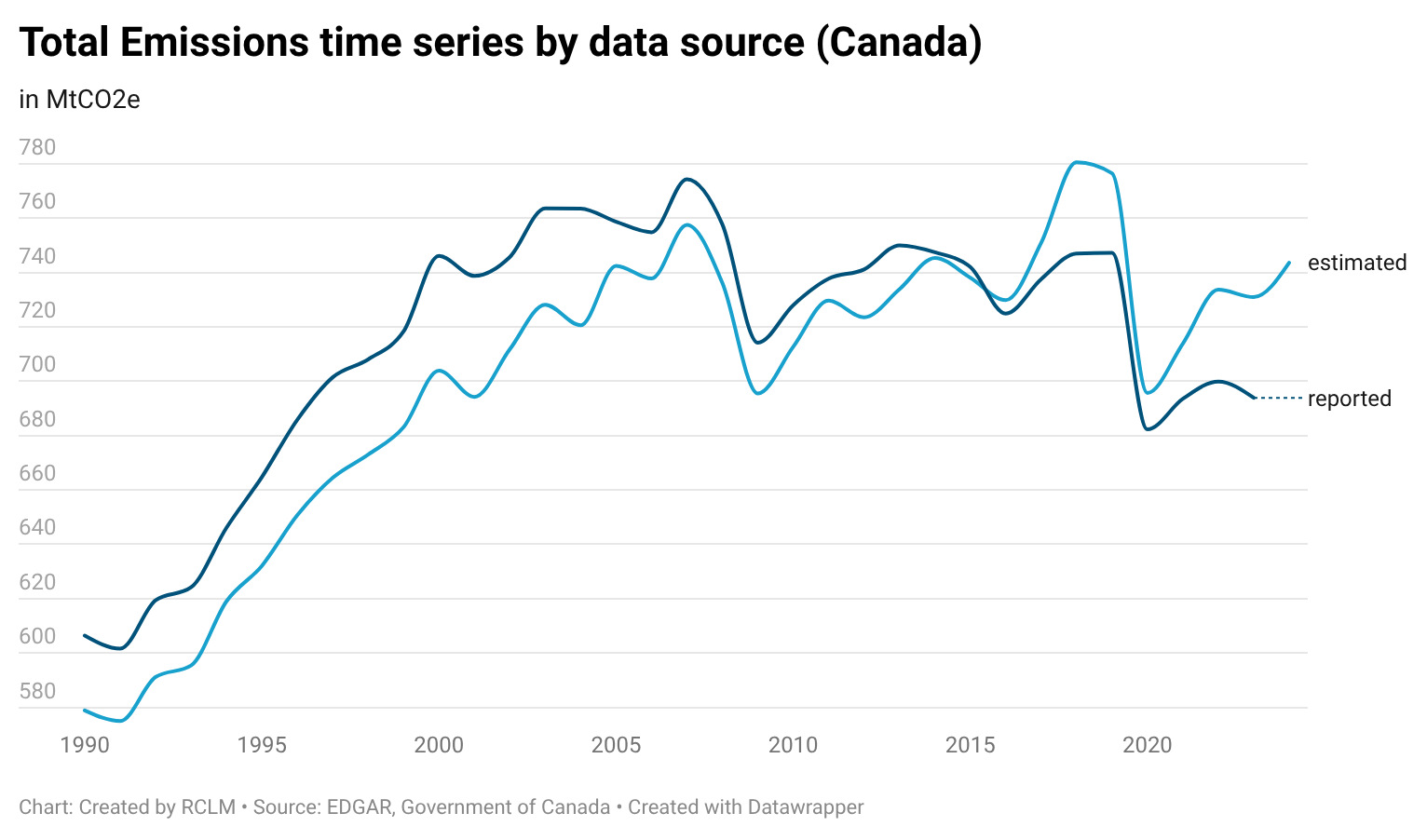
- Independent estimation datasets and government-reported inventories often differ
- Energy and emissions data typically exist across disconnected sources and update cycles
These operational frictions increase implementation costs for ESG, risk, reporting and sovereign research teams while reducing comparability across jurisdictions and portfolios.
Framework architecture
The framework combines multiple climate and macroeconomic data layers into a unified sub-sovereign climate infrastructure architecture.
Core methodological components include:
- Emissions Data Layer
- Spatial Aggregation Layer
- Energy Infrastructure Layer
- Target & Policy Layer
- Contextualization Layer
- Standardization Layer
The resulting architecture creates a consistent institutional climate data layer suitable for portfolio implementation workflows.
Implementation workflow
The framework operationalizes fragmented sub-sovereign climate datasets into a deployable institutional monitoring and analysis infrastructure.
Implementation workflows include:
- Regional Climate Benchmarking
- Portfolio Exposure Analysis
- Climate Risk Monitoring
- Reporting Integration
- Cross-Jurisdiction Comparability
The use of harmonized EDGAR datasets alongside official inventories allows institutions to compare regional climate characteristics across countries using a consistent methodological structure.
Use cases
The framework can support a range of sovereign fixed-income implementation workflows, including:
- Full sovereign bond portfolio monitoring
- Regional climate exposure analysis
- Provincial and state-level benchmarking
- Transition-risk screening
Implementation example
The framework has been operationalized through structured climate data profiles for Canada and the United States, integrating subnational emissions, energy and target datasets into implementation-ready delivery formats.



Advisory integration
RCLM supports institutions in translating sovereign climate methodologies into operational implementation workflows. Advisory support may include:
- Mapping sub-sovereign exposures within fixed-income portfolios
- Designing climate monitoring frameworks for regional allocations
- Supporting implementation of climate-reporting methodologies
- Structuring portfolio climate dashboards
- Developing benchmark comparison frameworks
- Integrating harmonized climate datasets into internal investment systems
From framework architecture to implementation
The Sub-Sovereign Climate Data Infrastructure Framework is part of RCLM’s broader implementation advisory approach focused on helping sovereign fixed-income teams operationalize climate-related sovereign investment processes.
Resource Snapshot
Operational characteristics of this implementation resource.


